New Zealand Two Week Itinerary – 14 Days North & South Island Highlights
- Last Updated: 10 Sep 2025
- Publish Date:
- Ena
- Before you visit NZ, NZ Destinations, NZ Itineraries, NZ Travel Info
If you have two weeks to travel in New Zealand, here’s a 14-day itinerary which covers highlights of both the North & South Islands. This is our recommended New Zealand two-week itinerary and is paced to make the most of your time without feeling too rushed.
Two weeks in New Zealand is just enough to experience most of our unforgettable sights. In the North Island, you’ll explore Auckland’s harbour and nearby islands, cruise the Bay of Islands, discover Maori culture and bubbling mud pools in Rotorua, hike volcanic trails in Tongariro National Park, and soak up the creative energy of Wellington. Then a ferry ride leads you to the South Island, where you’ll sip world-class wine in Marlborough, wander the golden beaches of Abel Tasman National Park, spot whales in Kaikoura, stand in the shadow of Aoraki/Mount Cook, and cap it off amid the lakes, fiords and mountains of Queenstown and the dramatic beauty of Milford Sound. It’s a breathtaking overview of both islands, hitting all the must-see destinations.
Incredibly, New Zealand packs a huge variety of landscapes into a small area. In a single day, you might drive from rolling green farmland to rugged alpine peaks, or from a busy city to quiet bays where dolphins play in the surf. The country also ranks among the world’s safest, with a very low crime rate and Kiwis (locals) are famously warm and welcoming – so traveling here always feels safe and inviting.
Kia ora! We’re MoaTrek. We’ve been running small group tours to New Zealand’s most beautiful places since 1971. Over the years, we’ve helped thousands of travellers—just like you—plan the trip of a lifetime. We love sharing our backyard and making sure every journey is as relaxed and enjoyable as possible.
So, grab a cup of tea, sit back, and let’s take a look at our favourite New Zealand two-week itinerary — designed to showcase the very best of both islands.
Our Favourite New Zealand 14 Day Itinerary
Planning a two-week trip to New Zealand? Here’s our recommended 14-day itinerary, carefully designed to show you the highlights of both the North and South Islands. From cultural experiences and geothermal wonders to alpine landscapes and fiords, this route helps you make the most of every day.
Click on the title for each day to see more details about travel, activities and tips to help you plan your itinerary.
- Day 1 – Explore Auckland: Discover the “City of Sails,” with beautiful harbour views and easy day trips to islands like Waiheke or Rangitoto, plus film-inspired fun at Hobbiton.
Travel Distance: 0 km / 0 mi | Travel Time: Local transport only | Stay: Auckland - Days 2–4 – Bay of Islands: Head north to the Bay of Islands for history and beaches in Russell, dolphin-spotting cruises on the bay, and the historic Waitangi Treaty Grounds for cultural heritage.
Travel Distance: 251 km / 156 mi (Day 2) + ≈358 km / 222 mi return via Hokianga (Day 4)
Travel Time: 3 h 40 min + ≈7 h 00 min | Stay: Russell (Bay of Islands), then Auckland - Day 5 – Rotorua: Experience geothermal wonders and bubbling mud pools and immerse yourself in rich Maori culture (including a traditional hangi feast).
Travel Distance: 228 km / 142 mi | Travel Time: 2 h 50 min | Stay: Rotorua - Day 6 – Tongariro National Park: See dramatic volcanoes and emerald lakes, walk to waterfalls, or tackle the world-famous Tongariro Alpine Crossing for an unforgettable hike.
Travel Distance: 141 km / 88 mi | Travel Time: 1 h 45 min | Stay: Tongariro Region - Day 7 – Wellington: Enjoy New Zealand’s capital city with the national Te Papa museum, a visit to Weta Workshop (Lord of the Rings film studios), a cable car ride to the botanical gardens, eclectic shopping and dining on Cuba Street, and a vibrant café culture.
Travel Distance: 288 km / 179 mi | Travel Time: 3 h 45 min | Stay: Wellington - Day 8 – Nelson & Marlborough Wine Region: Cross the Cook Strait to the South Island, then sip famous Sauvignon Blanc in Marlborough and explore the arty city of Nelson.
Travel Distance: 236 km / 147 mi (plus ferry) | Travel Time: ≈5 h 30 min | Stay: Nelson - Day 9 – Abel Tasman National Park: Walk, kayak, or cruise along the golden beaches and clear blue waters of this stunning coastal park, encountering secluded bays and native wildlife.
Travel Distance: 65 km / 41 mi | Travel Time: ≈1 h 00 min | Stay: Nelson - Day 10 – Kaikoura: Journey down the Pacific coast to Kaikoura, where you can spot giant sperm whales, playful dolphins, fur seals, and seabirds along New Zealand’s famed marine wildlife coastline.
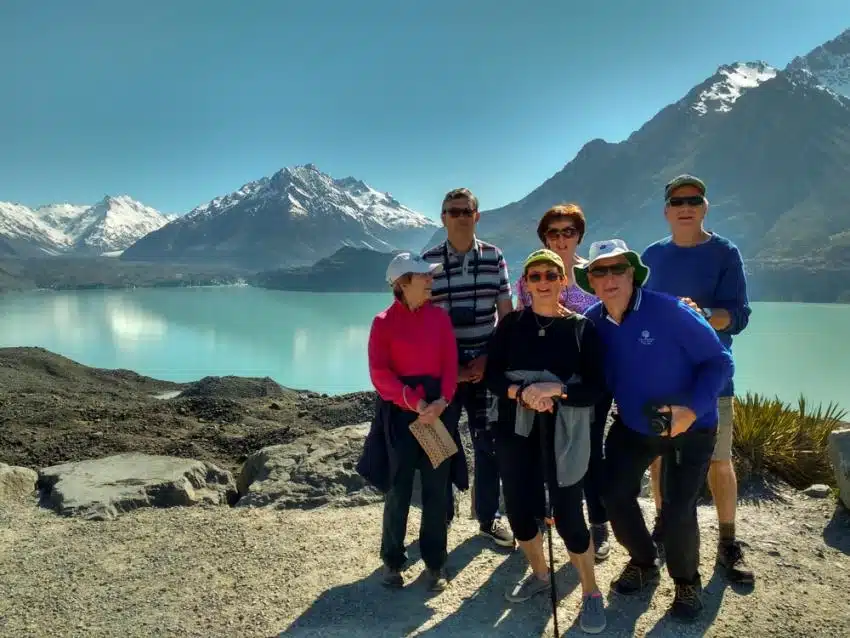
Travel Distance: 243 km / 151 mi | Travel Time: 3 h 30 min | Stay: Kaikoura - Day 11 – Aoraki/Mount Cook: Head inland to stand in awe beneath Aoraki/Mount Cook, New Zealand’s tallest mountain. Enjoy glaciers and alpine scenery, with options for a scenic flight or a guided glacier walk.
Travel Distance: 507 km / 315 mi | Travel Time: 6 h 30 min | Stay: Aoraki/Mount Cook Village - Day 12 – Queenstown: Arrive in Queenstown, the adventure capital of NZ. Take in the lake and mountain views, and choose from thrills like jet boating, bungee jumping, walking and biking. Relax with world-class wineries in Gibbston Valley, historic Arrowtown, and a vintage steamship cruise on Lake Wakatipu aboard the TSS Earnslaw.
Travel Distance: 262 km / 163 mi | Travel Time: 3 h 20 min | Stay: Queenstown - Day 13 – Milford Sound (day trip from Queenstown): Venture into Fiordland National Park by coach or a short flight. Cruise beneath the towering Mitre Peak and cascading waterfalls of Milford Sound, often called the “eighth wonder of the world,” and immerse yourself in one of the most beautiful landscapes in New Zealand
Travel Distance: 574 km / 357 mi (return) | Travel Time: 7 h 30 min | Stay: Queenstown - Day 14 – Finish in Queenstown: Enjoy a final morning in Queenstown and bid farewell to New Zealand with unforgettable memories. (Depending on your flight time, you might squeeze in a last activity or simply relax by the lake.)
Travel Distance: 0 km / 0 mi | Travel Time: — | Stay: Queenstown (Departure)
Throughout this two-week adventure, you’ll have seen the very best of New Zealand – from Auckland’s harbours and Bay of Islands beaches to Rotorua’s cultural heart, Tongariro’s volcanic vistas, and the South Island’s mountains, fiords, and wildlife.
It’s an itinerary packed with unforgettable experiences and spectacular scenery at every turn, truly showcasing why New Zealand is such a dream destination.

MoaTrek Travel Tip – The First Decisions to make about your New Zealand trip
Before you finalise your New Zealand itinerary, there are a few things to think about first. Like when to visit, whether you need a visa, how long to visit for and how to travel around. Here are some handy resources to help you get started.
- Best Time to Visit New Zealand:
New Zealand is stunning year-round. Summer (Dec–Feb) brings long, warm days and the widest choice of tours. Spring and autumn are a little cooler, with fewer crowds and lovely colours. Winter is magical too – just keep in mind road conditions if you’re self-driving.
Read our article about the best time to travel to New Zealand - Visas and Passports for visiting New Zealand:
If you’re coming from the US, you’ll need to apply online for an NZeTA (New Zealand Electronic Travel Authority) before you fly. And since it’s a long-haul journey, we recommend giving yourself a night or two in Auckland at the start to shake off the jet lag.
Check our guide on passports, visas, and the NZeTA - How to Get to New Zealand:
For most visitors, the journey starts with a long-haul flight into Auckland, our main international gateway. From there, it’s easy to connect to other parts of the country.
Read our guide on getting to New Zealand - How long do I need to see New Zealand?
Two weeks is enough to see the big highlights, but it’s a busy schedule! If you’d prefer to travel at a gentler pace, you could focus on just one island. Many travellers pick the South Island for its dramatic landscapes.
Read our article: How long should I spend in New Zealand? - How to Travel around New Zealand:
This route works whether you’re hiring a car or campervan, or joining a small-group tour like ours. However you choose, the stops and sights will be just as unforgettable.
Discover your travel options in New Zealand - Costs and bookings for travelling around New Zealand:
A few experiences – like Hobbiton, the Interislander ferry, or a glacier heli-hike – need to be booked ahead. Some tours (including ours) include a lot of your activities, so you don’t have to make the bookings yourself.
Read our article about how much a trip to New Zealand costs
Day 1: Auckland – City of Sails
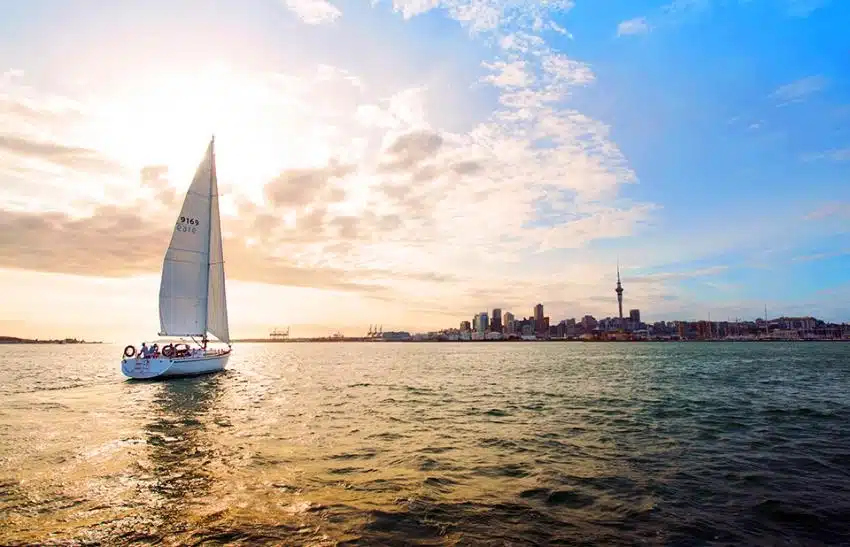
Kia ora and welcome to Auckland, New Zealand’s largest city (though not the capital). Known as the “City of Sails,” it sits on the beautiful Hauraki Gulf, dotted with islands and beaches. On a summer’s day the harbour fills with yachts and sailing boats, making it a lively and photogenic place to start your adventure.
Auckland Highlights & Activities
- Take the ferry to Waiheke Island, famous for its vineyards and beaches — perfect for a relaxed first day.
- Visit Devonport, a charming seaside village just 10 minutes across the harbour.
- Walk up Rangitoto Island, New Zealand’s youngest volcano, for panoramic views.
- Join a day tour to Hobbiton in Matamata and step straight into Middle Earth.
- Explore Auckland’s downtown precincts: Britomart for shopping, Viaduct Harbour for dining, and the Sky Tower for views.
- Museums and galleries: Auckland War Memorial Museum and the Auckland Art Gallery are both excellent.
Driving Information
No driving required today if you’re staying in central Auckland — ferries and public transport make it easy to get around. If you’re considering Hobbiton, it’s about 180 km (110 miles) south of the city, approx. 2 hours by car or coach.
Auckland Accommodation Suggestions
- Hotels: Pullman Auckland, Hilton Auckland, Sofitel Viaduct Harbour, M Social.
- Budget: Options range from backpacker hostels to budget hotels — good deals available via comparison sites.
What our travellers love about visiting Auckland
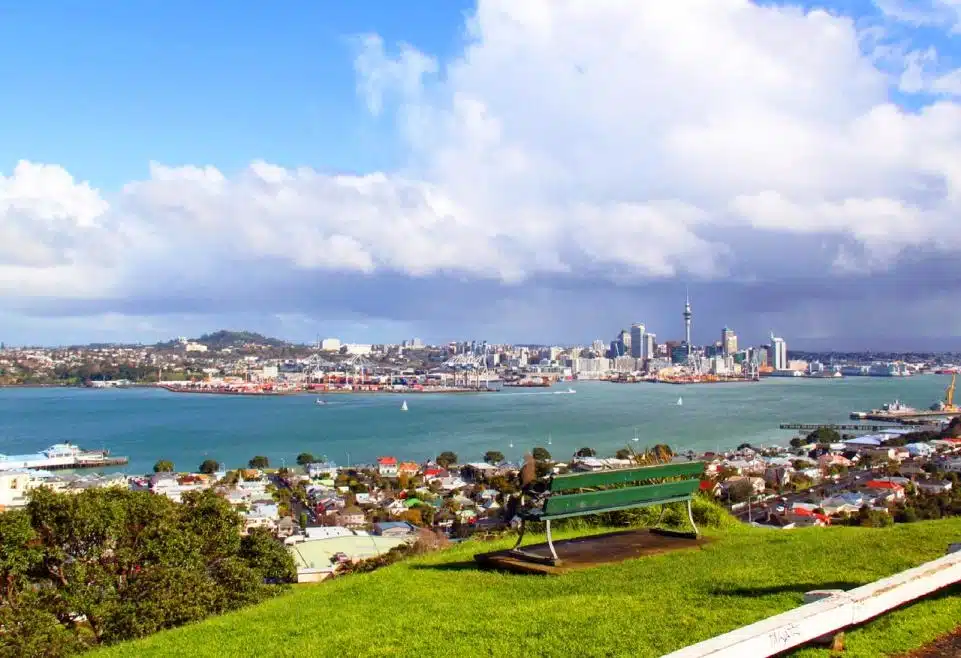
Auckland’s nickname is the “City of Sails,” and it’s obvious why when you look out across the Waitemata Harbour dotted with yachts. With volcanic cones rising around the city and islands scattered across the Hauraki Gulf, Auckland’s setting is one of the most picturesque of any city in the world.
MoaTrek Travel Tips for visiting Auckland
- Travel tip: If you’re flying from North America, consider staying two nights in Auckland before starting your trip. It’ll give you time to rest, explore, and adjust.
- Booking tip: Reserve Hobbiton tickets in advance — tours sell out quickly, especially in summer.
- Local tip: Ferries to Waiheke and Devonport run regularly from downtown Auckland. Sit on the open deck for the best views.
Read more about visiting Auckland on your New Zealand trip here.
Days 2–4: Auckland to Bay of Islands (return via Hokianga & Waipoua)
Head three hours north of Auckland to the Bay of Islands, a region rich in history, culture, and natural beauty. Your base here is Paihia, now a charming seaside town with a relaxed feel. After exploring Paihia, Russell and Waitangi, return to Auckland the scenic way via the Hokianga, experiencing powerful Maori stories at Manea and the ancient Waipoua Kauri Forest — home to the mighty Tane Mahuta.


Bay of Islands Highlights & Activities
- Bay of Islands cruise — look for dolphins, penguins, and seabirds; enjoy swims and beach time around Russell and Paihia.
- Waitangi Treaty Grounds — immerse yourself in the founding story of Aotearoa New Zealand.
- Russell heritage walk — colonial-era waterfront, charming streets, and hilltop views.
- Return route experiences (Hokianga & Waipoua): Visit Manea – Footprints of Kupe for a multi-sensory journey into the arrival of Kupe, the great Polynesian navigator, guided by his descendants.
- Meet hosts from Ngapuhi, the northernmost iwi (tribe) and kaitiaki (guardians) of Hokianga; be welcomed with a karakia (blessing).
- Walk among giant kauri in the Waipoua Forest and visit Tane Mahuta (“Lord of the Forest”) — enjoy a relaxed picnic lunch nearby before continuing south.
Bay of Island Driving Information
Auckland to Bay of Islands (via SH1): Auckland → Paihia: 251 km (156 miles), approx. 3 h 40 min. Allow extra time in peak summer periods.
Return to Auckland (via Hokianga & SH12): Paihia → Hokianga (Manea, Opononi/Omapere) → Waipoua Forest → Auckland.
Expect a full, scenic day with multiple stops. As a guide, Paihia to Hokianga/ Waipoua can take around 2 hours with stops; Waipoua to central Auckland is roughly 3–4 hours depending on traffic. Roads are sealed but winding in places — take it easy and enjoy the views.
Bay of Islands Accommodation Suggestions
- Hotels: Copthorne Waitangi, Paihia Beach Resort & Spa, Flagstaff Lodge & Day Spa.
- Budget: Centabay Lodge, Saltwater Lodge.
What we love about visiting the Bay of Islands
The Bay of Islands is famous for its turquoise waters, sheltered bays, and hundreds of forested islands. On the return journey through the Hokianga, the scenery shifts to giant kauri forests and wild west coast beaches — a striking contrast that shows off Northland’s diverse landscapes.
MoaTrek Travel Tips for visiting the Bay of Islands & Northland
- Bay of Islands: Plan at least two nights so you can cruise, visit Waitangi, and enjoy Russell without rushing.
- Manea – Footprints of Kupe: Check session times and pre-book — the experience is guided and best enjoyed unrushed.
- Waipoua Kauri Forest: Use the kauri dieback cleaning stations for footwear — these giants are precious and protected.
- Picnic idea: Pack lunch to enjoy near Waipoua after visiting Tane Mahuta before the drive south.
- Weather backup: If your Bay of Islands cruise is postponed due to wind or swell, try for the next morning.
Read more about visiting the Bay of Islands on your New Zealand itinerary here.
MoaTrek Guest Highlights from the Bay of Islands
There were unique places and activities which were set apart from the others but picking a favourite is difficult. The Waitangi Treaty Center, the beautiful hike up Flagstaff Hill in the Bay of Islands and the giant Kauri tree were wonderful. So many sights – who could pick a favourite?
Louise, Kakapo 21 Day Tour, February 2025.

Day 5: Auckland to Rotorua
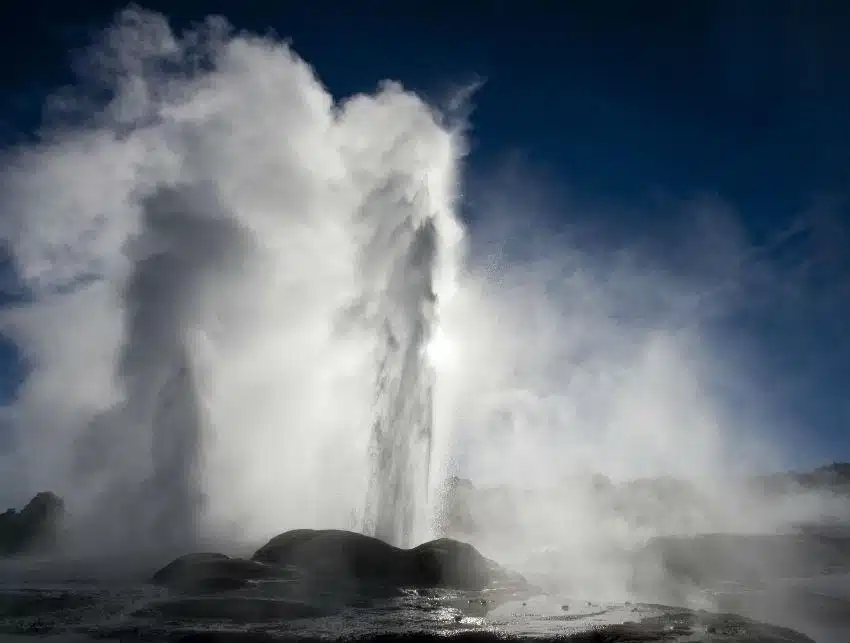
Today you’ll leave Auckland and travel south to Rotorua, one of New Zealand’s most fascinating cultural and geothermal centres. Rotorua is famous for bubbling mud pools, erupting geysers, hot springs, and being the beating heart of Maori culture. Around 40% of the local population identify as Maori, so this is one of the best places in the country to experience authentic cultural traditions alongside spectacular geothermal landscapes.

Rotorua Highlights & Activities
- Visit Whakarewarewa Valley at Te Puia, home to the impressive Pohutu Geyser and bubbling mud pools.
- Walk through Ohinemutu, a living Maori village.
- Soak in Rotorua’s famous hot pools and thermal spas — perfect after a day’s exploring.
- Discover Maori art and carving at the New Zealand Maori Arts and Crafts Institute.
- Take a stroll along Rotorua’s lakefront or explore the nearby Redwoods Forest for an easy nature walk.
Rotorua Driving Information
Auckland to Rotorua: 228 km (141 miles). Approximate driving time: 2 hours 50 minutes.
The route is straightforward on State Highway 1 and 5, with scenic farmland and small towns along the way. Allow time for a rest stop in Cambridge or Tirau, both known for their quirky cafés.
Rotorua Accommodation Suggestions
- Hotels: A wide range of 3–5 star options are available; Booking.com and Trivago list plenty of choices to match your style. We stay in the Novotel Lakeside, situated right on the lakefront and a short walk from the restaurants of “Eat Street”. The in-house hot pools are great after a day out exploring.
Why Rotorua is the Heart of Maori Culture
Rotorua is one of the best places in New Zealand to connect with Maori heritage. With a large Maori community, the city is alive with traditions, language, and cultural performances. Visitors can experience a hangi meal cooked in the earth, see powerful kapa haka performances, and learn about ancient legends. Many local guides share stories handed down through generations, giving travellers a deeper understanding of Aotearoa’s people and their connection to the land.
Rotorua, a Geothermal Wonderland
Rotorua’s landscape is like nowhere else in New Zealand — steaming vents, bubbling mud pools, and geysers erupting skyward. Combine that with tranquil lakes and surrounding forest, and you’ll experience a mix of fiery geothermal energy and calming natural beauty.
MoaTrek Travel Tips for visiting Rotorua
- Rotorua’s geothermal attractions can have strong sulphur smells — it’s completely natural and part of the experience!
- For a special evening, book a Maori cultural performance and hangi dinner — these are very popular and are often fully booked.
- If you love photography, visit Kuirau Park, a free geothermal area near the town centre with bubbling mud and steaming vents.
Read more about visiting Rotorua on your New Zealand itinerary here.
What MoaTrek travellers loved about Rotorua
Don’t dismiss the beauty of the North Island, especially around Rotorua with the mud pools and geothermal park. Our guide, Steve, shared his knowledge of the land and culture daily to ensure we had a great insight of the history and Maori culture.
Gill, Kaka 17 Day Tour, March 2025.

Day 6: Rotorua to Tongariro National Park
Leaving Rotorua, head south into the heart of the Central Plateau to Tongariro National Park — New Zealand’s oldest national park and a UNESCO Dual World Heritage site. This rugged volcanic landscape is dominated by three dramatic peaks: Mount Ruapehu, Mount Ngauruhoe, and Mount Tongariro. The scenery here is stark, powerful, and instantly recognisable to Lord of the Rings fans as the setting for Mount Doom.

Tongariro National Park Highlights & Activities
- Stay in Whakapapa Village at the base of Mount Ruapehu, perfect for short scenic walks.
- Ride the chairlift up to New Zealand’s highest café and enjoy panoramic views year-round.
- Take an easy hike to Taranaki Falls or Silica Rapids, both accessible from Whakapapa.
- For keen hikers, attempt the Tongariro Alpine Crossing — often described as one of the best day walks in the world.
Tongariro Driving Information
Rotorua to Tongariro National Park: 141 km (88 miles). Approximate driving time: 1 hour 45 minutes.
The route takes you through farmland and into the Central Plateau. Weather in the park can change quickly, so always check forecasts before hiking.
Tongariro Accommodation Suggestions
- Hotels: Powderhorn Chateau, Ohakune. (The Chateau Tongariro is no longer operating)
What’s unique about Tongariro National Park – Dual World Heritage Status
Tongariro National Park is unique for its dual UNESCO World Heritage status, recognising both its dramatic volcanic landscapes and its deep cultural significance to Maori. The mountains are sacred to local iwi, with legends and traditions that go back centuries. Visiting here isn’t just about scenery — it’s also a chance to connect with the cultural stories of Aotearoa New Zealand.
MoaTrek Travel Tips for visiting Tongariro National Park
- The Tongariro Alpine Crossing is a challenging full-day hike (6–8 hours). If attempting it, start early and take plenty of water, snacks, and layers for rapidly changing weather.
- If hiking isn’t your style, scenic drives and short walks around Whakapapa Village still deliver incredible volcanic views.
- During winter, the region becomes a hub for skiing and snowboarding at Whakapapa and Turoa ski fields.

Day 7: Tongariro National Park to Wellington
From the volcanic landscapes of Tongariro, continue south to Wellington, New Zealand’s capital. Fondly known as “Windy Wellington,” the city is compact, creative, and full of character. Set around a stunning harbour and backed by hills, it’s the cultural heart of the country, home to world-class museums, art galleries, funky cafés, and a thriving film industry.


Wellington Highlights & Activities
- Visit Te Papa Tongarewa, New Zealand’s national museum, famous for its interactive exhibits.
- Tour Weta Workshop for behind-the-scenes insights into the Lord of the Rings and other films.
- Ride the historic Wellington Cable Car from Lambton Quay up to the Botanic Gardens for city views.
- Stroll along Cuba Street, known for its boutique shops, colourful street art, and lively cafés.
- Explore Oriental Bay and the waterfront on foot or e-bike, perfect for a day out or dinner by the harbour.
- Visit Zealandia Wildlife Sanctuary to learn all about the Kiwi and our unique native wildlife.
Wellington Driving Information
Tongariro National Park to Wellington: 288 km (179 miles). Approximate driving time: 3 hours 45 minutes.
The road follows the Desert Road across the Central Plateau before winding through rolling farmland to the capital. Allow extra time if stopping en route in small towns like Taihape or Levin.
Wellington Accommodation Suggestions
- Hotels: Sofitel Wellington, Intercontinental Wellington, The Bolton Hotel.
- Budget: Great deals can be found on Trivago, or consider Airbnb for apartment stays near the waterfront.
Wellington’s Creative Spirit
Wellington is often described as New Zealand’s cultural capital, with more cafés per capita than New York and a reputation for creativity. The city is home to many of the country’s writers, artists, and filmmakers, and its strong Maori and Pacific Island communities add depth to its cultural identity. Exploring Wellington gives travellers a taste of the vibrant, modern heartbeat of Aotearoa.
MoaTrek Travel Tips for visiting Wellington
- Te Papa is free to enter, though some special exhibitions have ticketed entry — allow at least 2–3 hours to explore.
- Book Weta Workshop tours in advance, especially in peak travel seasons, as spots are limited.
- Wellington’s weather can change quickly — pack a light jacket even in summer.
- If you’re continuing to the South Island, book your Interislander ferry in advance for the next morning.
Read more about visiting Wellington on your New Zealand itinerary here.
What our travellers loved about Wellington
It gave me an opportunity as a solo traveller to travel in a group and experience so much. I loved Wellington – it was my favourite city.
Florence, Kakapo 21-day tour, February 2025.

Day 8: Wellington to Nelson – Marlborough Wine Region
Say goodbye to the North Island and board the Interislander Ferry to cross the Cook Strait to Picton, the gateway to the South Island. This is one of the world’s most scenic ferry journeys, gliding through the Marlborough Sounds before arriving in Picton. From there, continue through the Marlborough wine region and the Tasman region before reaching the sunny city of Nelson — known for its creative vibe, stunning coastal scenery, and relaxed pace of life.


Nelson & Marlborough Highlights & Activities
- Enjoy the 3-hour Interislander Ferry ride across the Cook Strait and into the picturesque Marlborough Sounds.
- Stop in Picton, a charming harbour town perfect for a coffee or stroll along the waterfront.
- Sample world-famous Sauvignon Blanc at one of Marlborough’s renowned wineries (FROMM Winery is a local favourite).
- Take the scenic stop at the Pelorus River and stretch your legs on the riverside walk, this is the scene of the Barrell Run in The Hobbit Movies.
- Explore Nelson city on arrival — check out local art galleries, cafés, and the waterfront.
Nelson Driving Information
Wellington to Nelson (via Interislander and State Highway 6): approx. 236 km (146 miles) including ferry. Total travel time: around 5 hours 30 minutes.
The ferry takes about 3 hours, and the drive from Picton to Nelson adds another 2 hours. Allow extra time for wine tasting or walks along the way.
Nelson Accommodation Suggestions
- Hotels: Century Park Motor Lodge, The Sails Nelson, Shelbourne Villa.
- Budget: Wakatu Lodge — simple and central, good for budget travellers.
Crossing the Cook Strait – more than just a ferry ride
The Interislander crossing is more than just transport — it’s one of New Zealand’s most scenic journeys. Sailing through Cook Strait and into the Marlborough Sounds, you’ll see secluded bays, forested hillsides, and maybe even dolphins swimming alongside the ferry. This Cook Strait ferry crossing is often described as a highlight of many of our guests’ New Zealand trip.
MoaTrek Travel Tips for visiting Marlborough & Nelson
- Book your Interislander Ferry in advance, especially in summer, to secure the best sailing time.
- Head out on deck during the final hour of the ferry trip through the Marlborough Sounds — the views are spectacular.
- If you’re a wine lover, allow extra time in Marlborough before continuing to Nelson. Many cellar doors offer tastings and relaxed lunches.
- In Nelson, staying central means you can walk to most restaurants, shops, and attractions.
Read our visitor’s guides to visiting Marlborough and Nelson & Tasman on your New Zealand itinerary.

Day 9: Abel Tasman National Park
Today is all about slowing down and taking in the natural beauty of Abel Tasman National Park, one of New Zealand’s most-loved coastal treasures. With golden beaches, crystal-clear waters, and lush native bush, this park is a paradise for walkers, kayakers, and anyone who enjoys time in nature. The best part? You don’t need to commit to the full multi-day coastal track — day trips are easy and just as rewarding.

Abel Tasman National Park Highlights & Activities
- Take a water taxi into the park and walk a section of the famous Abel Tasman Coastal Track.
- Go kayaking along the coast to spot seals, little blue penguins, and birdlife.
- Relax on the golden sands of Kaiteriteri or Anchorage beaches.
- Join a scenic cruise through the park for a more relaxed way to enjoy the coastline.
- If you’re short on time, a short hike from Marahau offers stunning coastal views without going deep into the park.
Abel Tasman Driving Information
Nelson to Abel Tasman National Park (Marahau): 65 km (40 miles). Approximate driving time: 1 hour.
Roads are straightforward but narrow in parts, so allow a little extra time if you’re travelling during summer when traffic can be heavier.
Abel Tasman National Park Accommodation Suggestions
- Hotels: Awaroa Lodge, Abel Tasman Haven. Tides Hotel, Nelson.
- Budget: Bethany Park Kaiteriteri (simple and family-friendly, near the beach).
What we love about Abel Tasman – it’s the golden sand beaches!
Abel Tasman is famous for its golden-sand beaches, unique in New Zealand where most beaches are black or white sand. The mix of turquoise waters, lush native bush, and warm climate makes this region feel almost tropical — a little slice of paradise at the top of the South Island.
MoaTrek Travel Tips for visiting Abel Tasman National Park
- Water taxis are the easiest way to see the park — you can ride in, walk part of the track, and catch a boat back later in the day.
- Kayaking is best in the morning before the wind picks up. Book tours in advance during summer.
- Bring plenty of water, sun protection, and insect repellent — there’s little shade on the beaches.
- If you’d rather take it easy, pack a picnic and spend the day on the sand — the beaches here are among the best in New Zealand.
Read more about visiting Abel Tasman National Park on your New Zealand itinerary.
What our travellers loved about Abel Tasman National Park
On the South Island our favourite experiences were the Marlborough winery luncheon and the Abel Tasman Cruise & Hike.
Nancy & Jeff, Kakapo 21-day tour, March 2025.

Day 10: Nelson to Kaikoura
Today’s journey takes you from Nelson down the spectacular east coast to Kaikoura, famous worldwide for its marine life encounters. This small coastal town sits between the rugged Kaikoura Range and the Pacific Ocean, creating a unique environment where whales, dolphins, seals, and seabirds thrive close to shore. It’s one of the best places in New Zealand to connect with nature up close.


Kaikoura Highlights & Activities
- Join a whale-watching cruise or flight to spot giant sperm whales and other marine life year-round.
- Meet playful dolphins on a dolphin swimming or viewing tour.
- Walk along the Kaikoura Peninsula walkway for dramatic sea and mountain views.
- See New Zealand fur seals lounging on the rocks just outside town.
- Bird enthusiasts can take an albatross encounter tour to see over a dozen seabird species.
- Seafood lovers should try Kaikoura’s famous crayfish (“kai” = food, “koura” = crayfish).
Kaikoura Driving Information
Nelson to Kaikoura: 243 km (150 miles). Approximate driving time: 3 hours 30 minutes.
The route follows the coast for much of the way, with stunning views of both the Pacific Ocean and the Kaikoura Ranges. Allow time for photo stops along the way.
Kaikoura Accommodation Suggestions
- Hotels: Bay Cottages, Bella Vista Motel Kaikoura, The White Morph.
- Budget: Alpine Pacific Motels & Holiday Park — affordable and family-friendly.
What’s different about Kaikoura? It’s where the Ocean meets the Mountains
Kaikoura is one of the few places in the world where towering mountains rise straight from the sea. On a clear day, the views of the snow-capped Kaikoura Ranges meeting the deep blue Pacific are unforgettable, making this stretch of coastline a photographer’s dream.
MoaTrek Travel Tips for visiting Kaikoura
- Whale watch tours run year-round, but seas can be rough in winter — consider seasickness tablets if you’re prone to motion sickness.
- Bring binoculars if you’re a keen birder — Kaikoura is one of the world’s seabird capitals.
- If you’d prefer not to take a boat, scenic flights are also available for whale spotting.
- Try the local crayfish from a roadside caravan — it’s a Kaikoura classic!

Day 11: Kaikoura to Aoraki/Mount Cook
Leave the coast behind and journey inland to the dramatic landscapes of Aoraki/Mount Cook National Park. This is New Zealand’s highest peak, rising to 3,724 metres (12,200 feet), surrounded by glaciers, alpine lakes, and rugged mountains. It’s a place of pure alpine scenery, made famous by Sir Edmund Hillary who trained here before conquering Mount Everest.

Aoraki Mt Cook Highlights & Activities
- Walk the Hooker Valley Track, one of New Zealand’s most accessible alpine hikes with stunning views of Mount Cook.
- Take a scenic flight or helicopter tour over the Southern Alps, with an option to land on the Tasman Glacier.
- Visit the Sir Edmund Hillary Alpine Centre at the Hermitage Hotel.
- Enjoy the night sky in the Aoraki Mackenzie International Dark Sky Reserve — the Mackenzie Basin is famous for crystal-clear night skies.
- Simply relax and take in the breathtaking alpine views.
Mount Cook Driving Information
Kaikoura to Aoraki/Mount Cook: 507 km (315 miles). Approximate driving time: 6 hours 30 minutes.
This is a long but scenic drive through Canterbury farmland and the Mackenzie Basin. Allow time for breaks along the way in towns such as Geraldine or Fairlie.
Aoraki Mt Cook Accommodation Suggestions
- Hotels & Motels: The Hermitage Hotel, right in the national park with stunning alpine views. Aoraki Court Motel for mountain views from every room.
- Budget: Mount Cook Lodge and Motels — affordable options close to the village.
Aoraki / Mount Cook – New Zealand’s Highest Peak
Aoraki/Mount Cook is more than just a mountain — it’s a symbol of New Zealand’s alpine heritage. Surrounded by turquoise lakes, towering peaks, and vast glaciers, it offers some of the most dramatic scenery in the country. On a clear day, the view of Aoraki reflected in Lake Pukaki is unforgettable.
MoaTrek Travel Tips for visiting Aoraki Mt Cook
- Weather can change quickly in the mountains — always carry warm layers and a rain jacket, even in summer.
- Book scenic flights in advance but be aware they are weather dependent. Have a backup plan in case of cancellations.
- The drive today is long. Leave early from Kaikoura and enjoy stops along the way to break up the journey.
Find out more about visiting Aoraki Mt Cook on your New Zealand trip here.
What MoaTrek travellers loved about Mt Cook
The visit to Mt Cook, Milford Sound as well as the various glaciers and volcanic sites were incredible. In short, we felt like we saw all that New Zealand has to offer and we couldn’t be happier.
George, Kakapo 21-day tour, March 2024.

Day 12: Aoraki/Mount Cook to Queenstown
From the alpine landscapes of Mount Cook, travel south into Central Otago and arrive in Queenstown, often called the adventure capital of the world. Nestled on the shores of Lake Wakatipu and surrounded by mountains, Queenstown is famous for outdoor adventure, but it also offers wine, history, activities for every type of traveller and of course stunning scenery in every direction.

Queenstown Highlights & Activities
- Take a scenic cruise on Lake Wakatipu aboard the vintage steamship TSS Earnslaw, with an optional visit to Walter Peak High Country Farm.
- Explore historic Arrowtown, once a bustling gold mining town, now full of charm, boutique shops, and great restaurants.
- Experience Shotover Jet, an iconic high-speed jetboat ride through narrow canyons.
- Discover nearby vineyards and enjoy some of Central Otago’s world-famous Pinot Noir.
- Take the Skyline Gondola for panoramic views of Queenstown and beyond.
Queenstown Driving Information
Aoraki/Mount Cook to Queenstown: 262 km (164 miles). Approximate driving time: 3 hours 20 minutes.
The route passes through the Mackenzie Basin, Lindis Pass, and into the dramatic landscapes of Central Otago. Allow time for stops at Lake Pukaki and Lake Dunstan along the way.
Queenstown Accommodation Suggestions
- Hotels: Novotel Queenstown, Rydges Lakeland Resort, Browns Boutique Hotel, Scenic Suites.
- Budget: Pinewood Lodge, Queenstown Motel Apartments.
What’s different about Queenstown?
The drive into Queenstown is one of the most scenic in New Zealand, with towering mountains, turquoise lakes, and winding alpine passes. Arriving in town with Lake Wakatipu and the Remarkables mountain range before you is a sight you’ll never forget.
MoaTrek Travel Tips for visiting Queenstown
- Queenstown can be busy year-round — book accommodation and popular activities well in advance.
- If you prefer a quieter base, stay in Arrowtown or Glenorchy, both within easy reach of Queenstown.
- Wine lovers should book a tasting menu experience at Amisfield Winery, one of the region’s best-known vineyards.
- If you’re not into adrenaline activities, Queenstown still has plenty to offer — from lake cruises and golf to relaxed dining and shopping.
Read our Queenstown Visitor’s Guide here.
What our guests loved about Queenstown
We saw the “highlights” of New Zealand from Northland, to geo-thermal pools, Tongariro, Marlborough Sound, Abel Tasman National Park, Aoraki/Mt. Cook, Queenstown, and Milford Sound (the pinnacle of the trip)… I loved the many stops along the way.
Laurey, Kakapo 21-day tour, March 2025.

Day 13: Queenstown to Milford Sound (Day Trip)
Today is all about experiencing the raw beauty of Fiordland National Park and world-famous Milford Sound. Known for its dramatic peaks, cascading waterfalls, and abundant wildlife, Milford Sound is often described as the most beautiful place in New Zealand.
It’s a long day trip from Queenstown, but the journey is part of the adventure, passing through spectacular alpine valleys and rainforests before arriving at the fiord.

Milford Sound Highlights & Activities
- Take a scenic cruise on Milford Sound, gliding past Mitre Peak and sheer cliffs rising straight from the water.
- Marvel at waterfalls such as Stirling Falls and Bowen Falls, especially dramatic after rain.
- Spot fur seals, dolphins, and even penguins in the fiord’s rich marine environment.
- Enjoy the scenic drive through Fiordland National Park, with highlights like the Eglinton Valley, Mirror Lakes, and the Homer Tunnel.
- For a unique experience, consider a flightseeing trip — fly one way or both ways to cut travel time and enjoy bird’s-eye views over the Southern Alps.
Milford Sound Driving Information
Queenstown to Milford Sound: 287 km (178 miles). Approximate driving time: 3 hours 45 minutes each way, without stops.
The road is spectacular but long and winding. If self-driving, plan for a very early departure. Many visitors choose a coach-cruise-coach or flight-cruise-flight option to avoid a tiring day behind the wheel.
Milford Sound Accommodation Suggestions
- Hotels: Milford Sound Lodge (offers premium chalets as well as budget rooms). Accommodation in Milford Sound is very limited, for most travellers we recommend visiting from Queenstown or Te Anau.
- Budget: Overnight in Queenstown if doing a same-day return trip, or Te Anau for a more relaxed pace.
Fiordland is stunning in all weather
Milford Sound was carved by ancient glaciers, creating sheer cliffs, lush rainforest, and deep, dark waters. Even in mist or rain, it has a mystical atmosphere. For many visitors, this is the highlight of their entire New Zealand journey — a true natural wonder.
MoaTrek Travel Tips for visiting Milford Sound
- The Milford Road is narrow and can be icy in winter — check conditions before you travel.
- Weather is unpredictable — rain is common, but it makes the waterfalls even more spectacular.
- If you’d prefer to avoid the long drive, book a day tour or flight-cruise package. It’s one of the best ways to make the most of your time and what we do on our small group tours.
- Pack snacks, water, and a rain jacket — facilities in Milford Sound are limited.
Read more about visiting Milford Sound on your New Zealand trip.
What MoaTrek guests loved about Milford Sound
We wanted to go to as many of the national parks as we could and this itinerary helped us make the most of our limited time. Milford Sound was a long drive away from Queenstown, so the flight home after the cruise was perfect!
Kristina, Kiwi 12 Day South Island tour, February 2025.

Day 14: Finish in Queenstown
Your New Zealand adventure ends in Queenstown, surrounded by the Southern Alps and Lake Wakatipu. After nearly two weeks exploring both islands, this is your chance to relax, take in the views one last time, and enjoy Queenstown at your own pace before heading home.
Queenstown Highlights & Activities
- Enjoy a relaxed breakfast overlooking Lake Wakatipu.
- If time allows, take a short stroll through the Botanic Gardens or along the waterfront.
- Pick up a few last-minute souvenirs from Queenstown’s boutiques and galleries.
- Squeeze in one more short activity — a gondola ride, a vineyard tasting, or simply a coffee with a mountain view.
Queenstown Travel Information
Queenstown Airport is located just 15 minutes from the town centre. Most flights connect via Auckland or Christchurch if you’re returning internationally. Allow plenty of time for check-in, especially during the busy summer months.
Accommodation Suggestions
Most travellers will depart today, but if you’d like to extend your stay, Queenstown offers a full range of accommodation options, from luxury lodges to budget hostels, so you can enjoy a few extra nights before flying out.
Farewell Note
Finishing in Queenstown gives you time to reflect on the highlights of your two-week New Zealand journey. From Auckland’s harbour and the Bay of Islands to Rotorua’s culture, Tongariro’s volcanoes, and the South Island’s mountains and fiords — this itinerary showcases the very best of Aotearoa.
Haere ra, safe travels, and we hope to see you again!
MoaTrek Travel Tips
- Queenstown Airport is compact but busy — arrive at least two hours before domestic flights and three hours before international connections.
- If you have a late flight, consider booking a half-day wine tour or lake cruise to make the most of your last day.
- Take one final look at the Remarkables and Lake Wakatipu — a fitting farewell to New Zealand’s stunning landscapes.
Planning Tips & FAQs for a Two-Week Trip to New Zealand
- When is the best time to visit New Zealand for a two-week trip?
We recommend late spring to early autumn (November–April) for warmer weather, long daylight hours to enjoy walks and activities. - How long should I spend in New Zealand to enjoy both islands?
Two weeks is enough to uncover North and South Island highlights at a good pace. For a more relaxed trip, you might prefer focusing on one island. - Do I need a visa or travel authority to visit New Zealand?
Most travellers from visa waiver countries need to apply for an NZeTA and pay the International Visitor Conservation and Tourism Levy (IVL) before departure. - Can I use my appliances in New Zealand?
Yes—most modern electronics handle NZ’s voltage (230 V), but bring a power adaptor if you’re from North America or the UK. - What currency should I use, and how do I pay while traveling?
The New Zealand dollar (NZD) is standard. Use debit cards for daily purchases and credit cards for larger items; contactless payments like Apple Pay are widely accepted. - What should I pack for New Zealand’s changing weather?
Pack layers—a light rain jacket, warm fleece, walking shoes, and sunscreen—because weather shifts frequently, especially in alpine and remote areas. - Is it possible to drive New Zealand in two weeks?
Yes, but you’ll be doing a lot of driving – New Zealand’s winding roads mean longer travel times than expected. Plan extra time for stops, or consider coach or flight options for long legs like Queenstown to Milford Sound. - What are biosecurity rules when arriving in NZ?
New Zealand takes biosecurity seriously. Clean outdoor gear and avoid bringing fresh food. Always declare items—it’s easier and avoids fines. - Is New Zealand a safe travel destination?
Yes. New Zealand is one of the safest places to travel—crime is rare. Just use normal travel precautions around valuables and vehicles. - How early should I book tours or hotspots like Milford Sound or Queenstown?
Book well in advance—especially during summer. Popular attractions in Queenstown and cruises on flights in Milford Sound are often fully booked.
Travelling New Zealand with MoaTrek
We hope this itinerary has given you a clearer picture of what a two-week adventure in New Zealand can look like. However you choose to travel — whether independently or on a tour — we’re excited to welcome you to Aotearoa, our beautiful islands in the South Pacific.
If the idea of leaving the planning and logistics to someone else sounds appealing, why not join one of our New Zealand small group tours? With MoaTrek, you can relax and enjoy the views while we take care of the details — from bookings to timing to making sure you don’t miss those hidden gems.
Take a look at our New Zealand small group tours here to explore more, or get in touch with the friendly MoaTrek team now.
We love hearing about travellers’ dream trips and helping bring them to life. Many of our guests tell us how much they appreciated being able to ask us questions before they even left home — we’re always happy to share tips, advice, and insider knowledge to make sure you’re ready for your big adventure.
See you soon in New Zealand!

- Ena
- Before you visit NZ, NZ Destinations, NZ Itineraries, NZ Travel Info