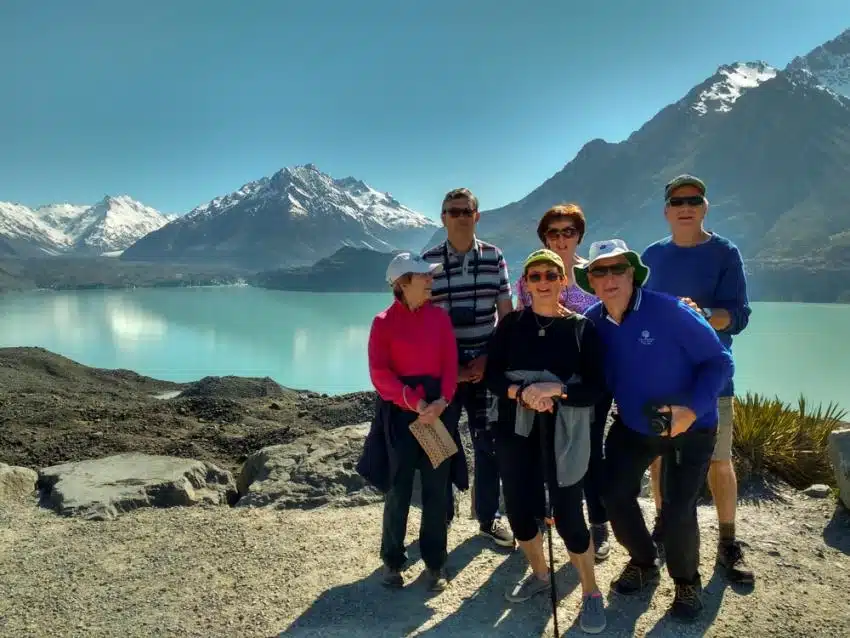
Thinking about driving in New Zealand when you travel here? You’re in for a treat. Our roads pass through some amazing countryside – mountains and alpine areas, along lakes and the coast, river valleys and native forest, driving in New Zealand takes you through some of the most spectacular scenery on earth.
But driving here will be very different to what you’re used to at home. You’ll find lots of single lane, narrow roads, winding corners and limited areas to pass or stop. And of course, we drive on the left side of the road too, which may take some getting used to for some drivers.
Kia Ora, we’re MoaTrek and since 1971 we’ve explored every corner of New Zealand on our small group tours, from the Waipoua Forest road in Far North to the Milford Road deep in Fiordland. This is our guide to driving in New Zealand for travellers, we’ll walk you through everything you need to know to stay safe and enjoy the ride.
Whether you’re from the UK, Canada, Australia, or further afield, this guide covers licences, road rules, driving etiquette, seasonal advice, and what to expect from New Zealand roads and conditions. By the time you’ve finished reading, you’ll know how long journeys really take, how to handle one-lane bridges, what to watch out for in winter, and where to find the best tools for planning safe journeys.
And if driving on unfamiliar roads doesn’t sound relaxing to you, don’t worry — we’ll also share how joining a small group tour lets you enjoy every view without the stress of being behind the wheel.
Contents & Quick Links
- Driving on the Left
- Licences & Insurance for Driving in New Zealand
- Road Rules & Driving Etiquette in New Zealand
- New Zealand Roads and Driving Conditions
- Seasonal Driving in New Zealand
- Driving Times & Distances
- Common Questions about Driving in New Zealand
- Don’t want to drive in New Zealand? Take a tour
- Travelling New Zealand with MoaTrek
Driving on the Left in New Zealand
In New Zealand, all vehicles drive on the left-hand side of the road, just like in the UK, Australia, Japan, and much of southern Africa. Visitors from countries where people drive on the right—such as North America and most of Europe—often need a little time to adjust.
Cars in New Zealand are right-hand drive, meaning the driver sits on the right side of the car and the passenger on the left. Don’t be surprised if you open the wrong door once or twice at the start of your trip—it happens to nearly everyone!
The driver should always be closest to the centre line of the road, while the passenger sits on the kerbside. If you’re ever unsure which side to be on, this simple rule will help keep you in the correct lane.
Safe Driving in New Zealand - A message from the New Zealand Police for International Visitors
Licences and Insurance to drive in New Zealand
International travellers can drive in New Zealand with your valid driver’s licence. As long as it’s a full licence and written in English, you won’t need any special paperwork.
No International Driving Permit is required here, unless your licence is in another language. You can legally drive in New Zealand for up to 18 months on the licence you already have in your wallet.
If your driver’s licence isn’t in English, you can apply for an International Driver’s Licence here. A valid translation of your own license is also acceptable, find out more about getting your licence translated in New Zealand here.
Remember to carry your licence (and translation, if necessary) at all times when driving as our police force do a great job at patrolling the New Zealand roads.
Do I need insurance to drive in New Zealand?
We definitely recommend insurance and most rental car companies require it. Third party insurance is a cheaper option and covers you for the cost of any damage you cause to another car.
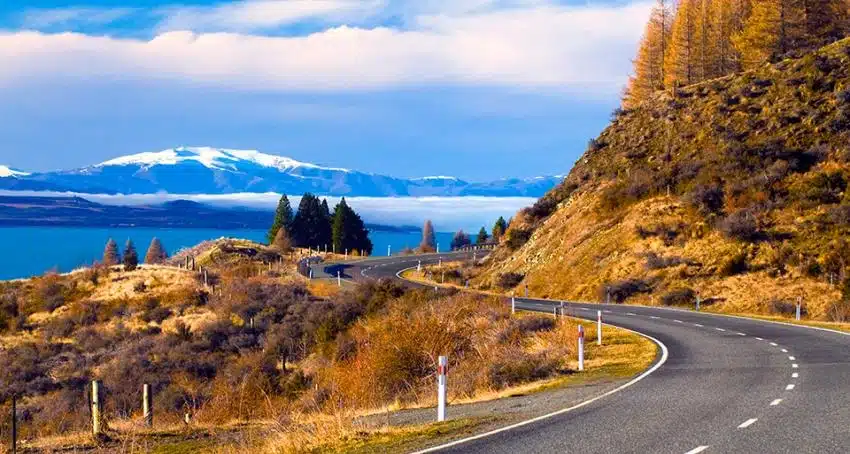
Road Rules and Driving Etiquette in New Zealand
For a safe and stress-free driving holiday, it’s important to know the basic road rules in New Zealand. Not following them can land you with a fine, but more importantly, it can put you and others at risk. Don’t worry though — once you know the essentials, driving here is straightforward and enjoyable.
Main New Zealand road rules to remember:
- Always keep to the left-hand side of the road
- The driver and all passengers must wear seatbelts
- Give way (yield) to your right at intersections and roundabouts
- Speed limits are 50 km/h (about 30 mph) in towns and 100 km/h (about 62 mph) on the open road, unless signposted otherwise
- Using a handheld mobile phone while driving is illegal
- Drink driving laws are strict — the limit is very low, and police do regular breath tests
And here’s a little bit of Kiwi Road etiquette: if you’re driving slower than the speed limit and cars are building up behind you, pull over at a safe spot to let them past. You’ll often get a friendly “toot-toot” of the horn as a thank you — that’s our way of saying “cheers, mate!”
MoaTrek Travel Tip – Handy tools to help you drive in New Zealand
Driving New Zealand Roads and Conditions
Driving in New Zealand is an adventure in itself — our roads take you through mountains, coastlines, forests and farmland that you simply don’t see anywhere else. But the terrain and road conditions might be different from what you’re used to back home. Here’s what to expect:
- Road types & terrain: Outside the main motorways near Auckland, Wellington, and Christchurch, most New Zealand roads are two-lane highways. They can be narrow, winding, and hilly, with sharp bends and very few median barriers. A 100 km journey on the map could easily take two hours, so plan plenty of time into your itinerary — and don’t rush. The bonus is you’ll have more chances to stop and enjoy the views.
- One-lane bridges: Common in rural areas (especially the South Island), these bridges allow traffic in just one direction at a time. Signs tell you who has priority: the big black arrow means you go first, while the red arrow means you must give way. Always slow down, check for oncoming cars, and cross carefully. When in doubt, let the other vehicle go first — or follow a local driver at a safe distance.
- Gravel roads: Some side roads and scenic detours are still unsealed. On gravel, slow right down, keep a firm hold of the wheel, and give yourself extra stopping distance. Don’t be shy about turning back if it feels unsafe. Many rental car companies don’t allow driving on certain gravel roads anyway, so check your agreement before heading off.
- Livestock and wildlife: From time to time, you might meet a herd of sheep or cattle being moved along a country road. The best thing to do is stop, relax, and let the farmer guide them through. And if you see possum roadkill, don’t be alarmed — possums are a major pest in New Zealand, so unfortunately, it’s a common sight.
- Driving culture & courtesy: Kiwis are laid-back, but we like to keep traffic flowing. If you’re driving under the speed limit and cars are stacking up behind you, use a safe pull-off bay and let them pass. You’ll often get a quick toot of the horn or a flash of the hazard lights — our way of saying “thanks, mate.”
- Winter and alpine driving: From June to August (and sometimes later in the high country), roads in the South Island and mountain passes can be icy or snowy. Carry snow chains if you’re heading into alpine areas, check the weather forecast before you set off, and allow extra travel time. If you’re not confident driving in winter conditions, it might be better to join a guided tour — our drivers handle these roads all season long.
- Roundabouts: You’ll find lots of roundabouts in New Zealand towns. The rule is simple: give way to all traffic coming from your right and indicate when you exit. Take your time — once you get the hang of them, they’re a smooth way to keep traffic moving.
- Distances & speed limits: All distances and speed limits in New Zealand are measured in kilometres, not miles. Road signs show speeds in km/h, so if you’re used to mph, take extra care to keep within the limits.
MoaTrek Travel Tip - New Zealand Speed Limits & Conversions
| New Zealand Speed Limit (km/h) | Speed in mph | Where you'll see it |
|---|---|---|
| 30 km/h | ~19 mph | Near schools, roadworks, or shared zones |
| 50 km/h | ~31 mph | In towns and city streets |
| 70 km/h | ~43 mph | Town fringes or semi-rural areas |
| 80 km/h | ~50 mph | Urban motorways and some rural roads |
| 100 km/h | ~62 mph | Open roads and highways (default max) |
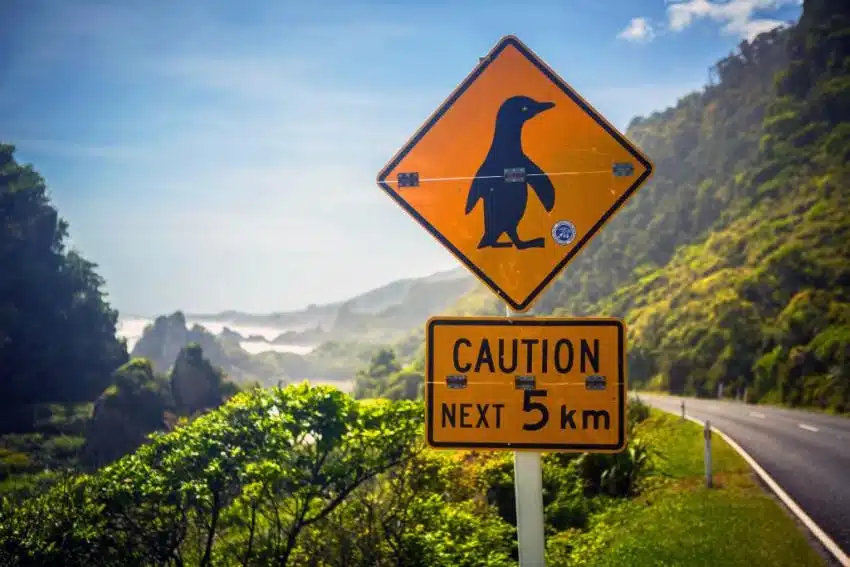
Seasonal Guide to Driving in New Zealand
New Zealand’s weather can change quickly, and driving conditions vary a lot between seasons. Here’s a quick guide to what you can expect on the roads throughout the year:
- Summer (December – February): Long, sunny days make this the most popular time for road trips. Traffic can be busier around holiday hotspots, so allow extra time and book accommodation in advance. Carry plenty of water and sunscreen if you’re exploring remote areas.
- Autumn (March – May): Cooler, settled weather and stunning autumn colours make for relaxed driving. Roads are generally quieter than summer, but watch for shorter daylight hours as evenings close in.
- Winter (June – August): In the South Island and alpine regions, snow and ice are common. Carry chains, check the forecast before travelling, and allow extra time for mountain passes. If you’re not confident in winter conditions, consider joining a tour or choosing public transport.
- Spring (September – November): Expect a mix of sunshine, showers, and even the odd late snow in the high country. Roads may be wet and slippery, so slow down in bad weather and keep your lights on. The bonus: waterfalls and spring flowers are at their best.
MoaTrek Safety Tip – Check the weather before you drive
Before setting off on any drive, check the MetService weather forecast and the NZTA Journey Planner.
These sites will give you live traffic updates, road closures, and weather warnings — especially handy if you’re driving through mountain passes or remote areas.
Driving Times and Distances in New Zealand
One of the biggest surprises for visitors is that driving in New Zealand takes longer than it looks on a map. Unlike countries with long, straight highways or nationwide motorway systems, most of our roads are two-lane and often narrow, with plenty of hills, corners, and scenic detours. That 100 km journey you expect to cover in an hour might take much longer here.
As a good rule of thumb, plan for drives in New Zealand to take around 1.3 to 1.5 times longer than the same distance at home. For example, the journey from Christchurch to Queenstown is about 480 km and typically takes 7 to 8 hours by car.
By comparison, a similar distance in Australia — such as Sydney to Coffs Harbour — can be driven in about 5 hours thanks to wider highways. In the UK, London to Carlisle is a trip of around 480–500 km and can often be completed in about 5 to 6 hours on motorways.
The best advice is to slow down, allow extra time in your itinerary, and enjoy the journey. Our roads take you through mountains, along coastlines, and past postcard-perfect lakes — so driving is as much a part of the New Zealand experience as the destinations themselves.
MoaTrek Travel Tips for planning your drives in New Zealand
- Rest breaks & scenic stops: Aim to stop at least every two hours. It’s safer, and you’ll want time for photos. Use marked rest areas and lookouts (picnic-table signs) rather than pulling onto the shoulder, which can be risky.
- Shake off travel fatigue: If you’ve arrived after a long international flight, don’t jump straight into a road trip. Spend a night or two in your arrival city to rest before tackling unfamiliar roads.
- Night driving: Avoid long rural drives after dark. Outside towns, roads are unlit and winding, and wildlife may be on the road. Plus, you’ll miss out on the views — one of the best parts of driving in New Zealand.
- Weather & seasonal tips: Conditions change fast. In winter, snow and ice are common in the South Island’s alpine regions — carry chains if needed. In heavy rain, slow down as roads can be slippery or flood. Always check the forecast for your route before you drive.
Read more about other ways to travel around New Zealand here.

Frequently Asked Questions About Driving in New Zealand
- Do I need an International Driving Permit to drive in New Zealand?
Not if your licence is in English. Visitors with a valid Australian, Canadian, or UK driver’s licence can drive in New Zealand for up to 18 months without needing an International Driving Permit (IDP). An IDP is only necessary if your licence is not in English — it acts as a translation. - How long can I drive in New Zealand on my overseas licence?
You can drive for up to 18 months from the date you arrive in New Zealand on a current overseas licence. If you’re staying longer, you’ll need to apply for a New Zealand driver’s licence. - What side of the road do New Zealanders drive on?
We drive on the left-hand side of the road, just like in Australia and the UK. Cars are right-hand drive, so the driver sits on the right side of the car. Roundabouts and turns follow the same left-side rules you’re used to in those countries. - Is it safe to drive in New Zealand?
Yes — provided you follow the rules and drive to the conditions. Roads are generally well maintained, but they can be narrower and more winding than what you might be used to in Canada or on UK motorways. Take your time, keep to the speed limits, and pull over when safe to let faster traffic pass. - What is the speed limit in New Zealand?
The default limits are 100 km/h on highways and open roads and 50 km/h in urban areas, unless signs say otherwise. Speed cameras and police checks are common, so it’s best to stick to the posted limits. - Can I use Google Maps or my phone for navigation?
Yes, but only hands-free. It’s illegal to hold or use a mobile phone while driving in New Zealand. Set up your route before you start driving and use a dashboard mount or car connection. - What should I do if I get pulled over by the police?
Pull over safely to the side of the road, remain in the car, and have your driver’s licence ready. Police may conduct routine checks such as random breath tests. If there’s an issue, the officer will explain what to do next. - What if I don’t feel comfortable driving in New Zealand?
If driving on unfamiliar roads isn’t for you, joining a small group tour to see New Zealand is a great option. That way, a local Kiwi driver handles the roads, and you can sit back, relax, and enjoy the scenery stress-free.
MoaTrek Travel Tip – Biggest Surprises for International Drivers in New Zealand
- Road signs: Most use international symbols, but “Give Way” means Yield. Take your time at intersections until you’re confident.
- Livestock on the road: It’s normal to meet sheep or cattle being moved. Slow down or stop — the farmer will guide them through.
- Possum roadkill: You’ll see it often and if you’re driving at night may even hit one. yourself. Possums are pests here so one less possum is helping the native forest, but it can still be a surprise for drivers.
- Travel times: International drivers in New Zealand are always surprised how much longer it takes to cover distances here. Allow plenty of time for your drives and don’t assume you’ll cover the distance in the same time you would at home.
These quirks can make driving in New Zealand stressful if you’re not used to them, but as with most things on the road, stay calm use your common sense and you’ll get through fine.
Driving in New Zealand not for you? How about a tour?
If driving on New Zealand’s windy, narrow roads in an unfamiliar car isn’t your idea of a relaxing holiday, don’t worry – there’s a perfect option for you.
Join us on a MoaTrek New Zealand Small Group tour. We’ve been exploring New Zealand for decades, so we know these roads and all the best hidden spots along the way.
On tour, you won’t have to worry about unfamiliar road rules, navigating, or deciphering new signs – you can sit back, relax, and still see all the iconic sights. Your MoaTrek Kiwi guide will handle the driving and share local stories that bring the journey to life (and you’ll quickly learn what those funny road signs mean!).
You’ll travel with like-minded folks from all around the world. Many of our guests tell us taking a tour was the best decision of their trip: they could enjoy New Zealand’s incredible scenery without the stress of driving and handling the logistics.
What our travellers tell us they love about MoaTrek tours
- No driving stress: Forget about road rules, maps, or narrow winding highways – just relax and enjoy the ride.
- See more, safely: Our Kiwi guides know the best routes, lookout points, and hidden gems most visitors miss.
- Local insights: Learn about New Zealand’s culture, history, and quirky roadside stories from a friendly Kiwi guide.
- Make friends: Travel with like-minded people – many of our guests say new meeting new people and making friends was the highlight of their trip.
- Time to enjoy the view: With someone else behind the wheel, you can focus on the mountains, lakes, and landscapes (instead of traffic signs!).
From a recent MoaTrek traveller
Our guide Chris was an exceptional driver and guide. His driving was far better than anyone else I have ever travelled with, I felt completely comfortable and safe for all of the 5000km journey across NZ!
Kim – Kakapo 21 Day North & South Island tour, Jan 2025.

Travelling New Zealand with MoaTrek
We hope this guide helps you get a clearer picture about driving in New Zealand—and what the right option is for your trip. However you decide to explore our beautiful country, we’re excited to welcome you to Aotearoa, our stunning islands in the South Pacific.
If leaving the driving to someone else and enjoying all the views on a small group tour sounds like you, we’d love to chat. As New Zealand’s leading small group tour operator, we take care of all the tricky parts – no need to worry about driving, bookings, or missing the hidden gems.
Take a look at our New Zealand small group tours or get in touch with our friendly team—we’re always keen to hear about your dream trip to New Zealand and help you bring it to life.
One thing our travellers often say is how much they appreciated being able to ask us questions before they even left home. We love helping people get ready for their big adventure and are more than happy to share tips, advice, and insights to help you plan your perfect journey.
See you soon in New Zealand!